The role of good lighting in interior design

Exploring how natural and artificial light shape mood, functionality, and spatial perception in residential and commercial interior environments.

Nov 30, 2025

Lighting

Author:

Jack Mann
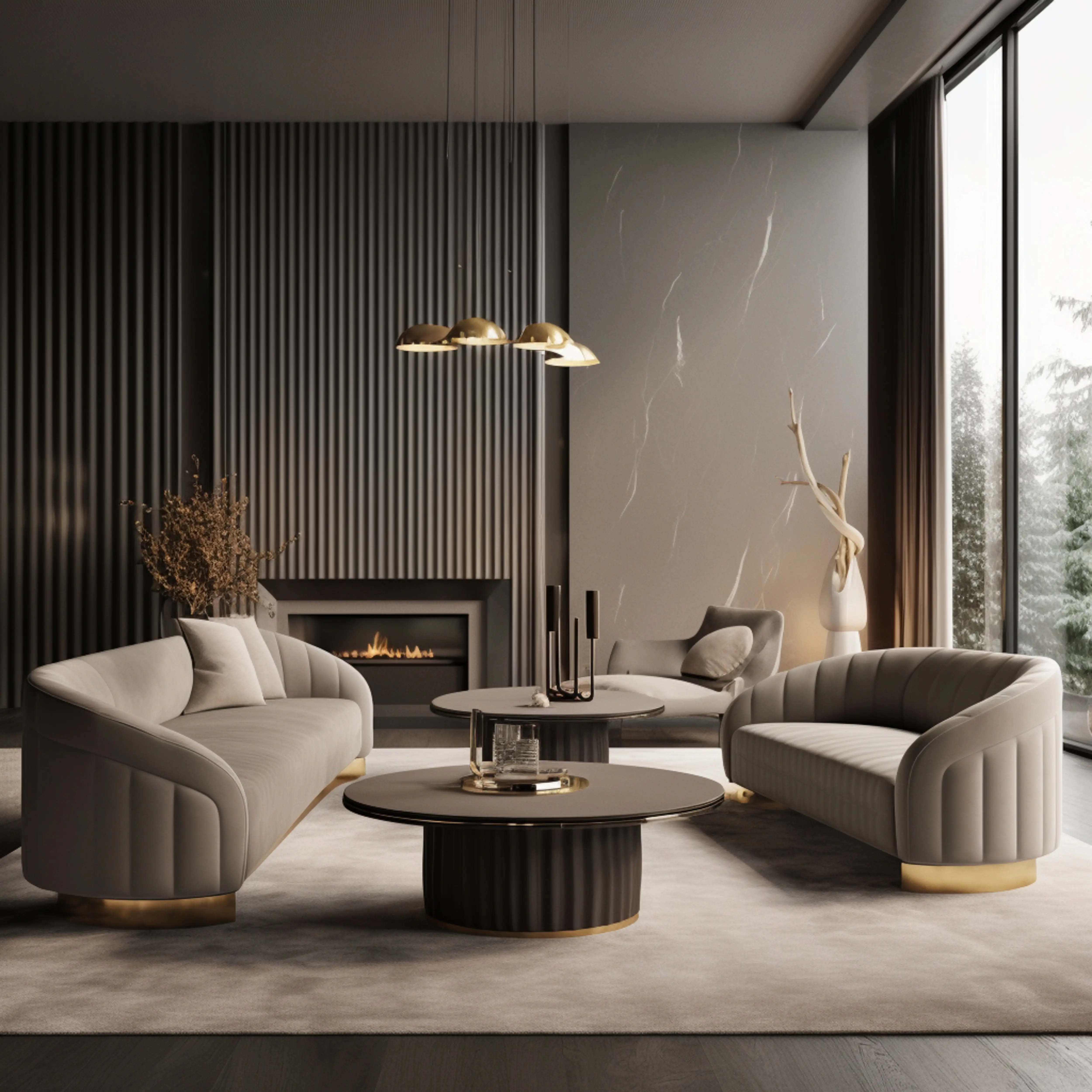
Light is one of the most powerful tools in interior design, influencing how spaces feel, function, and are experienced throughout the day.

A balanced lighting strategy enhances comfort and usability while reinforcing architectural intent. When light is considered early, it becomes an integrated design element rather than a technical afterthought.
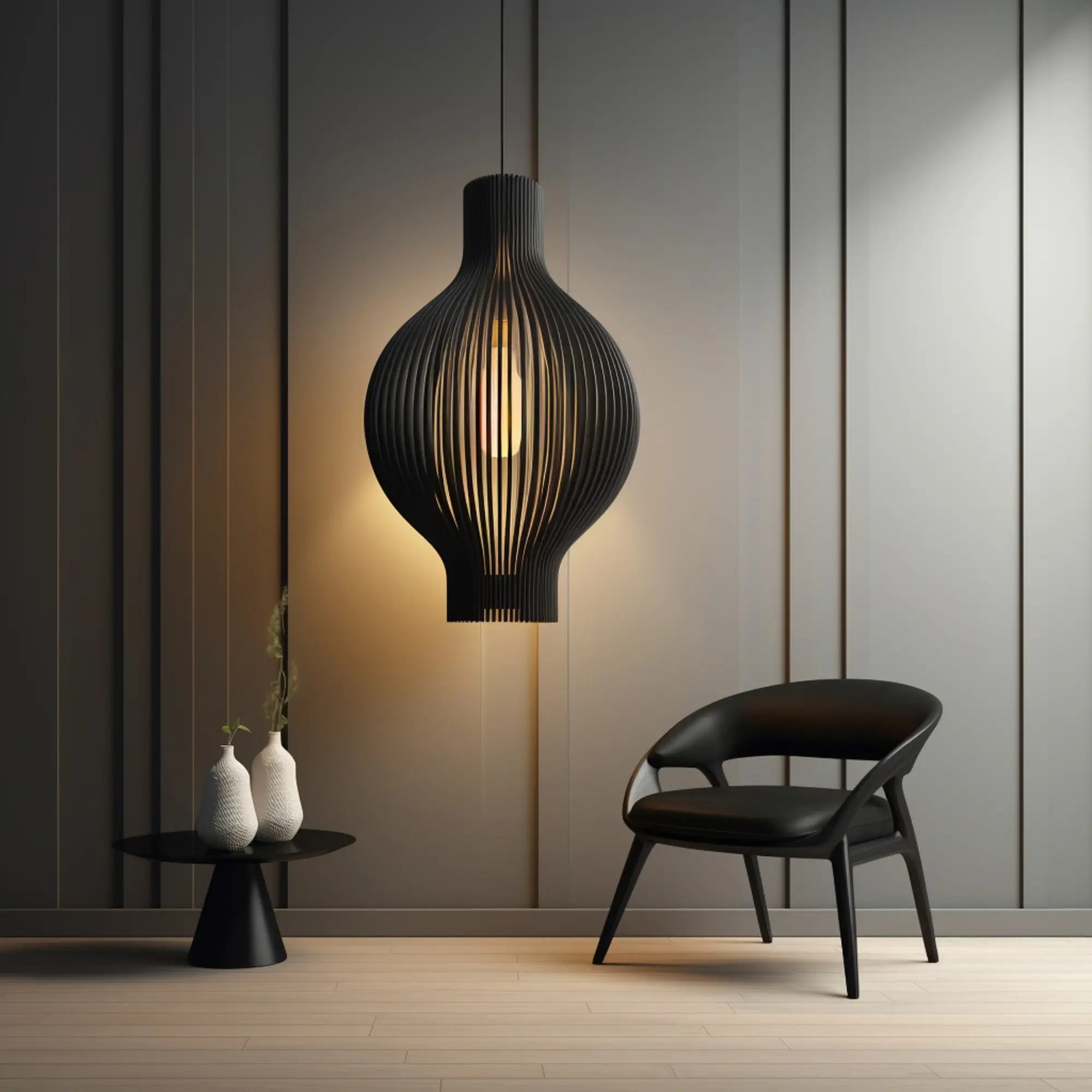
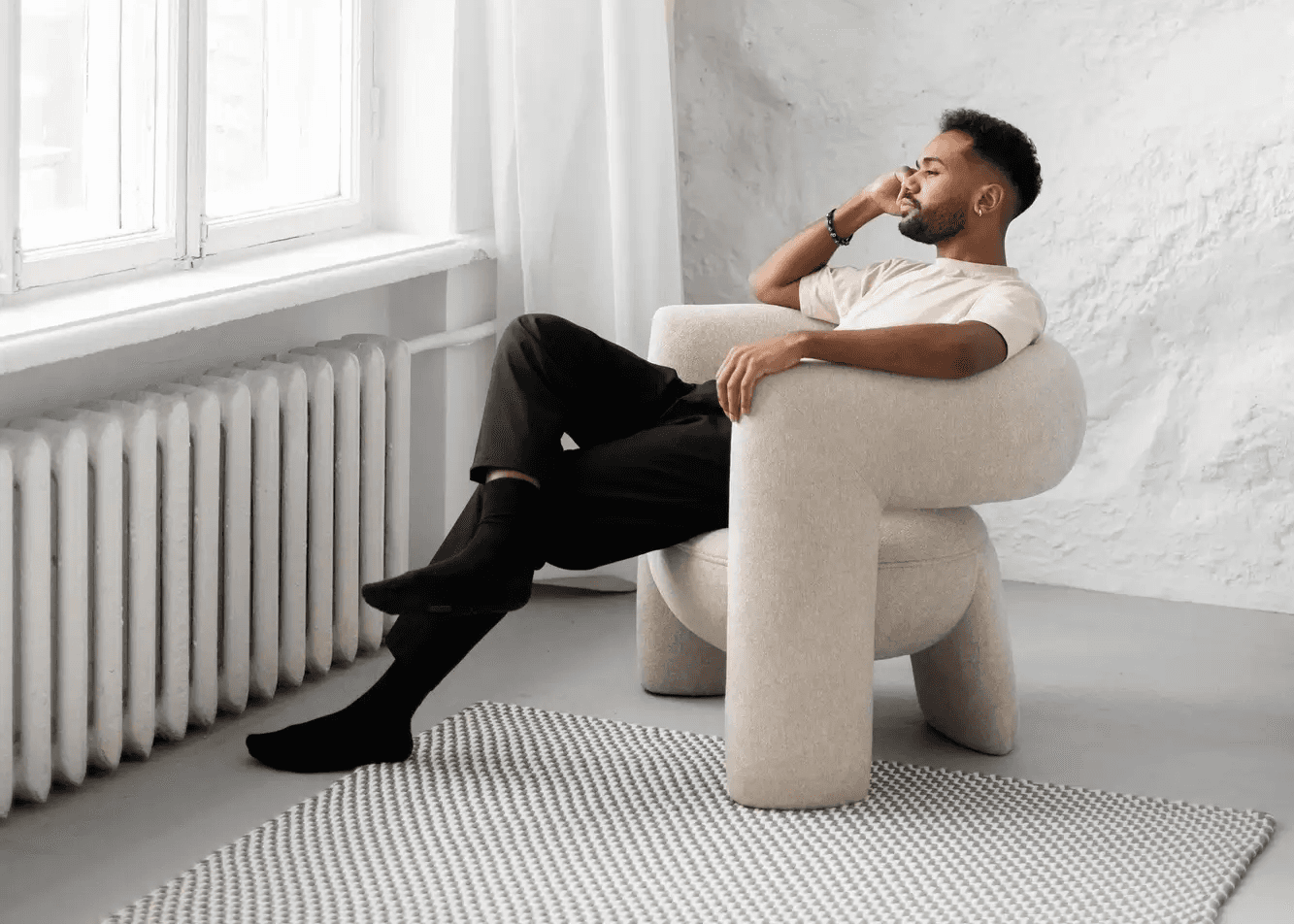
The Role of Light in Interior Design

Lighting defines atmosphere, highlights form, and supports function. Thoughtful lighting design transforms spaces beyond surface aesthetics.

Natural Light as a Design Driver

Maximizing natural light improves wellbeing and reduces energy dependence.

Layered Artificial Lighting

Effective interiors use multiple lighting layers:

  • Ambient lighting

  • Task lighting

  • Accent lighting

Light and Material Interaction

Materials respond differently to light. Understanding reflectivity and texture ensures spaces feel balanced rather than flat or harsh.

Designing for Time and Use

Lighting should adapt to different times of day and activities, supporting comfort and clarity throughout changing conditions.

The Role of Light in Interior Design

Lighting defines atmosphere, highlights form, and supports function. Thoughtful lighting design transforms spaces beyond surface aesthetics.

Natural Light as a Design Driver

Maximizing natural light improves wellbeing and reduces energy dependence.

Layered Artificial Lighting

Effective interiors use multiple lighting layers:

  • Ambient lighting

  • Task lighting

  • Accent lighting

Light and Material Interaction

Materials respond differently to light. Understanding reflectivity and texture ensures spaces feel balanced rather than flat or harsh.

Designing for Time and Use

Lighting should adapt to different times of day and activities, supporting comfort and clarity throughout changing conditions.

The Role of Light in Interior Design

Lighting defines atmosphere, highlights form, and supports function. Thoughtful lighting design transforms spaces beyond surface aesthetics.

Natural Light as a Design Driver

Maximizing natural light improves wellbeing and reduces energy dependence.

Layered Artificial Lighting

Effective interiors use multiple lighting layers:

  • Ambient lighting

  • Task lighting

  • Accent lighting

Light and Material Interaction

Materials respond differently to light. Understanding reflectivity and texture ensures spaces feel balanced rather than flat or harsh.

Designing for Time and Use

Lighting should adapt to different times of day and activities, supporting comfort and clarity throughout changing conditions.

Create a free website with Framer, the website builder loved by startups, designers and agencies.