Material choices that define interior longevity
An exploration of how thoughtful material selection influences durability, atmosphere, and long-term performance in residential and commercial interior environments.
Jun 9, 2025
Design Tips
Author:
Jack Mann
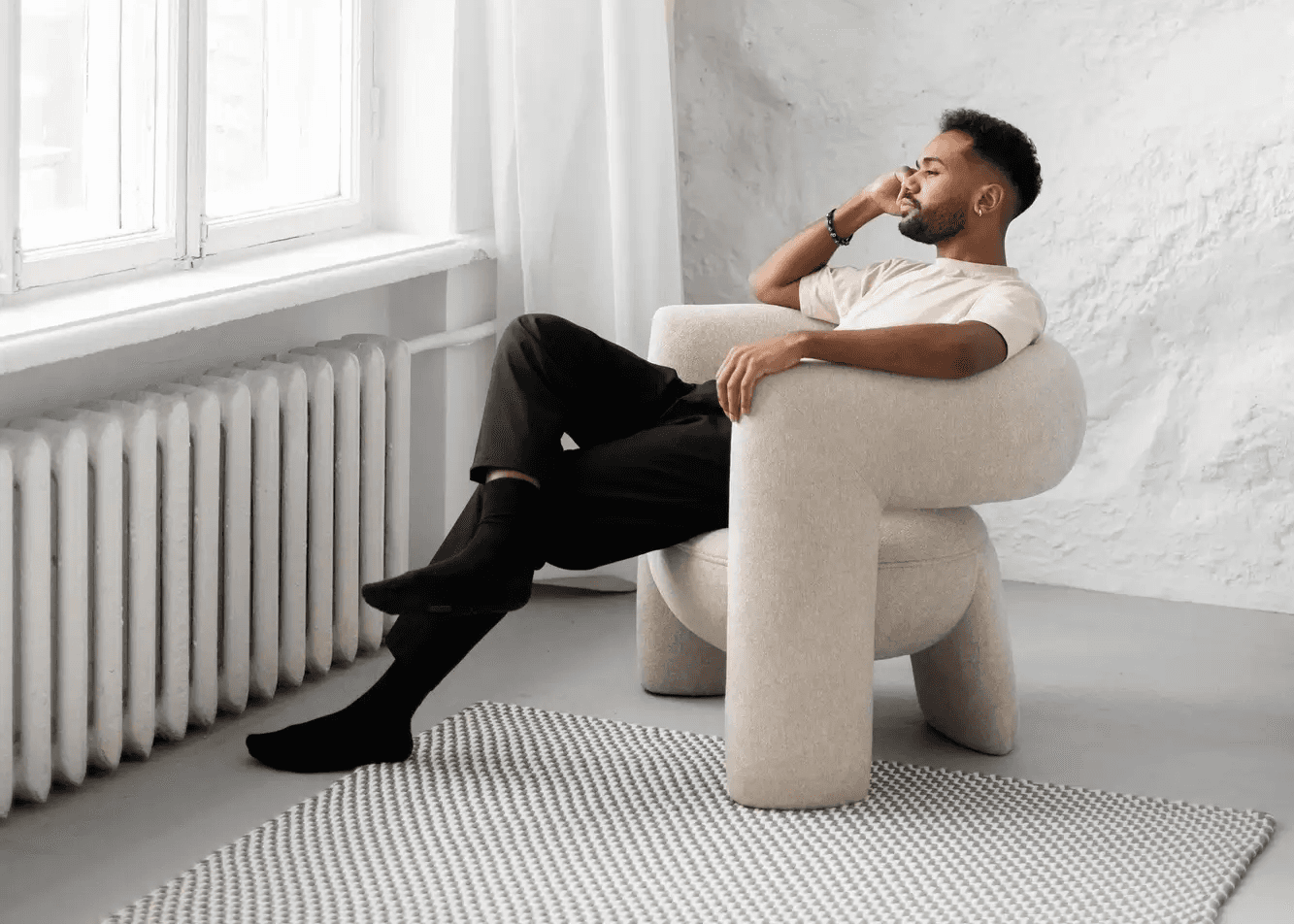


Material decisions shape not only how an interior looks, but how it performs, ages, and supports daily use over many years.
Choosing materials based on durability, maintenance, and tactile quality ensures interiors remain functional and visually consistent. Well-considered materials reduce long-term upkeep while enhancing comfort and spatial cohesion.
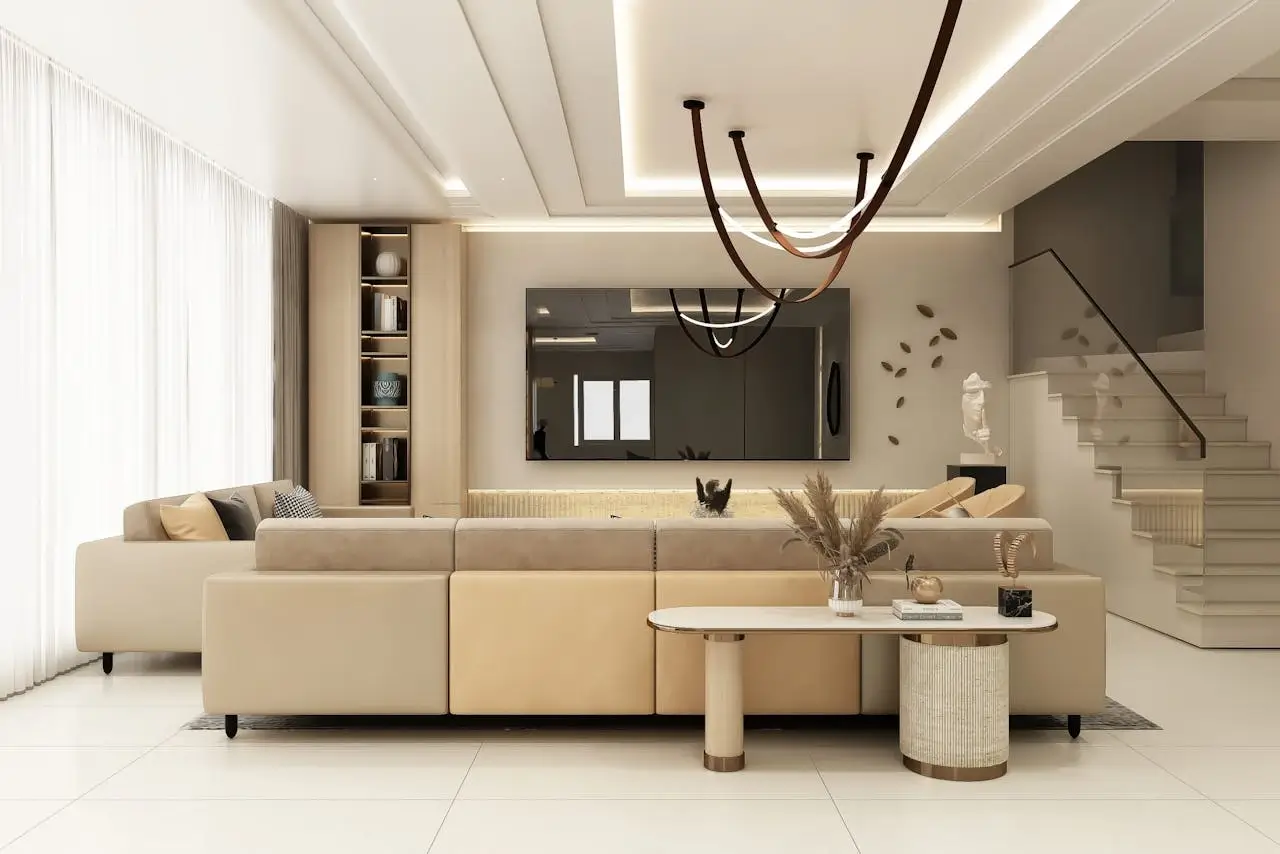
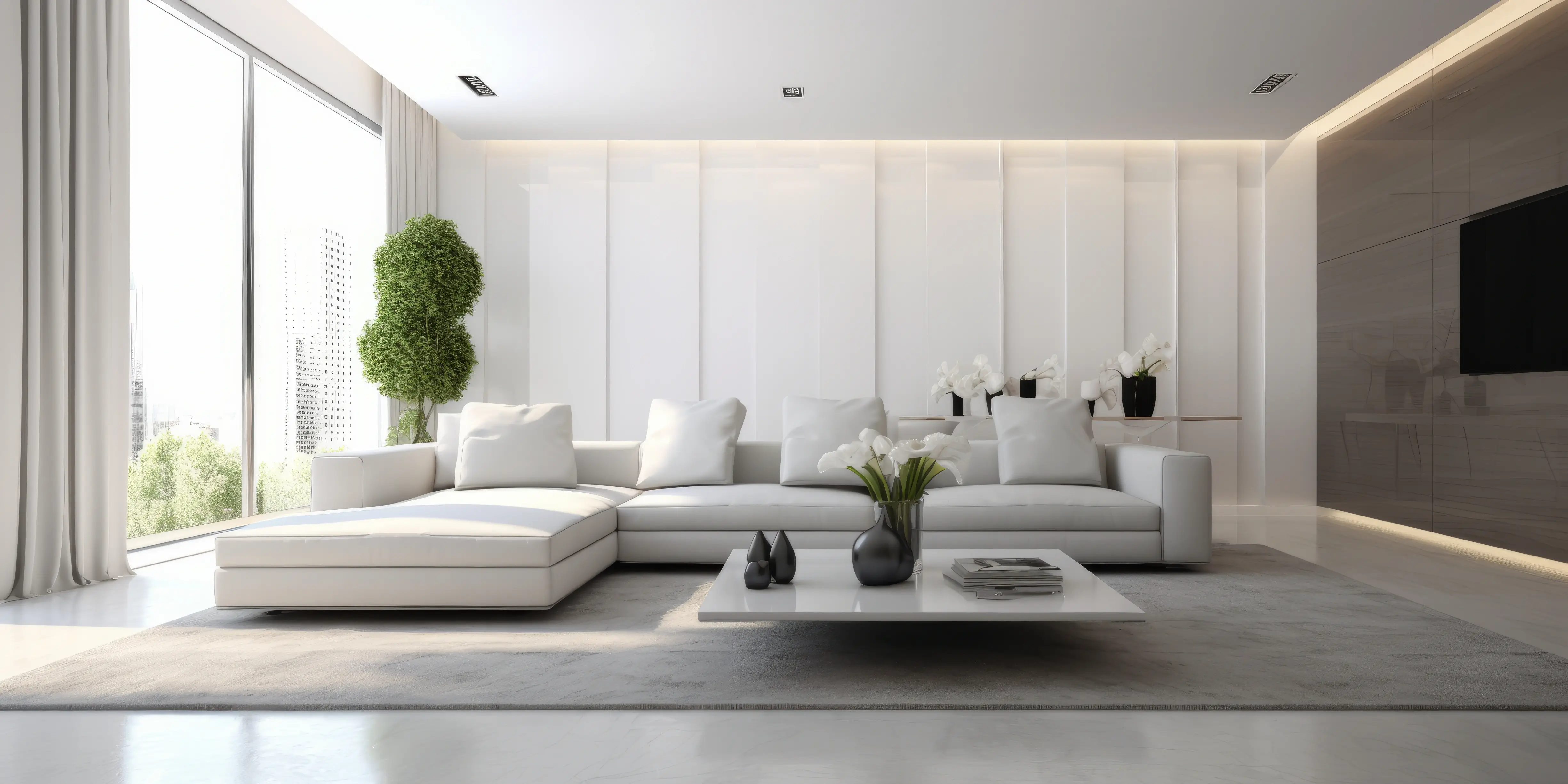
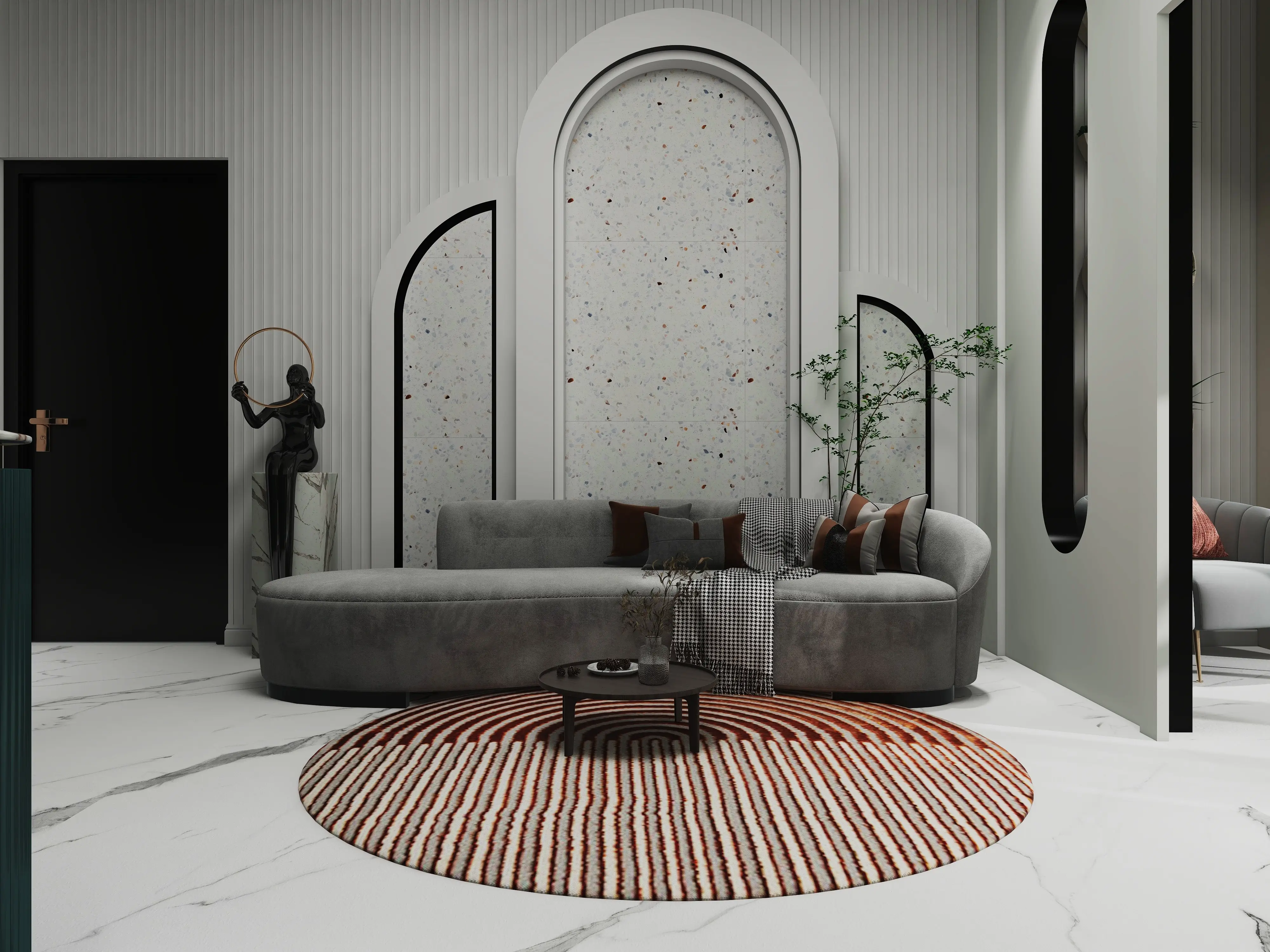
Material Choices That Define Interior Longevity
Materials form the physical foundation of any interior. Beyond aesthetics, they determine how a space withstands time, use, and change.
Durability as a Design Principle
Durable materials do not mean industrial or cold. They mean selecting finishes that can handle wear without losing character.
Examples include:
Engineered wood with natural grain variation
Stone surfaces with honed finishes
High-quality textiles designed for repeated use
Maintenance Is Part of Design
Every material has a maintenance requirement. Good design acknowledges this upfront rather than treating upkeep as an afterthought.
Ask:
How will this surface age?
Can it be repaired rather than replaced?
Does maintenance align with the client’s lifestyle?
Visual Consistency Through Material Restraint
Limiting the number of materials used across a space creates visual calm and cohesion. Repetition strengthens identity and allows details to stand out.
Sustainability Through Longevity
Long-lasting materials reduce waste. When interiors are designed to endure, sustainability becomes a natural outcome rather than an added feature.
Material Choices That Define Interior Longevity
Materials form the physical foundation of any interior. Beyond aesthetics, they determine how a space withstands time, use, and change.
Durability as a Design Principle
Durable materials do not mean industrial or cold. They mean selecting finishes that can handle wear without losing character.
Examples include:
Engineered wood with natural grain variation
Stone surfaces with honed finishes
High-quality textiles designed for repeated use
Maintenance Is Part of Design
Every material has a maintenance requirement. Good design acknowledges this upfront rather than treating upkeep as an afterthought.
Ask:
How will this surface age?
Can it be repaired rather than replaced?
Does maintenance align with the client’s lifestyle?
Visual Consistency Through Material Restraint
Limiting the number of materials used across a space creates visual calm and cohesion. Repetition strengthens identity and allows details to stand out.
Sustainability Through Longevity
Long-lasting materials reduce waste. When interiors are designed to endure, sustainability becomes a natural outcome rather than an added feature.
Material Choices That Define Interior Longevity
Materials form the physical foundation of any interior. Beyond aesthetics, they determine how a space withstands time, use, and change.
Durability as a Design Principle
Durable materials do not mean industrial or cold. They mean selecting finishes that can handle wear without losing character.
Examples include:
Engineered wood with natural grain variation
Stone surfaces with honed finishes
High-quality textiles designed for repeated use
Maintenance Is Part of Design
Every material has a maintenance requirement. Good design acknowledges this upfront rather than treating upkeep as an afterthought.
Ask:
How will this surface age?
Can it be repaired rather than replaced?
Does maintenance align with the client’s lifestyle?
Visual Consistency Through Material Restraint
Limiting the number of materials used across a space creates visual calm and cohesion. Repetition strengthens identity and allows details to stand out.
Sustainability Through Longevity
Long-lasting materials reduce waste. When interiors are designed to endure, sustainability becomes a natural outcome rather than an added feature.


